Comprehensive Guide to Electrical Installation Services
Lorem ipsum dolor sit amet, consectetur adipisicing elit, sed do.

Lorem ipsum dolor sit amet, consectetur adipisicing elit, sed do.
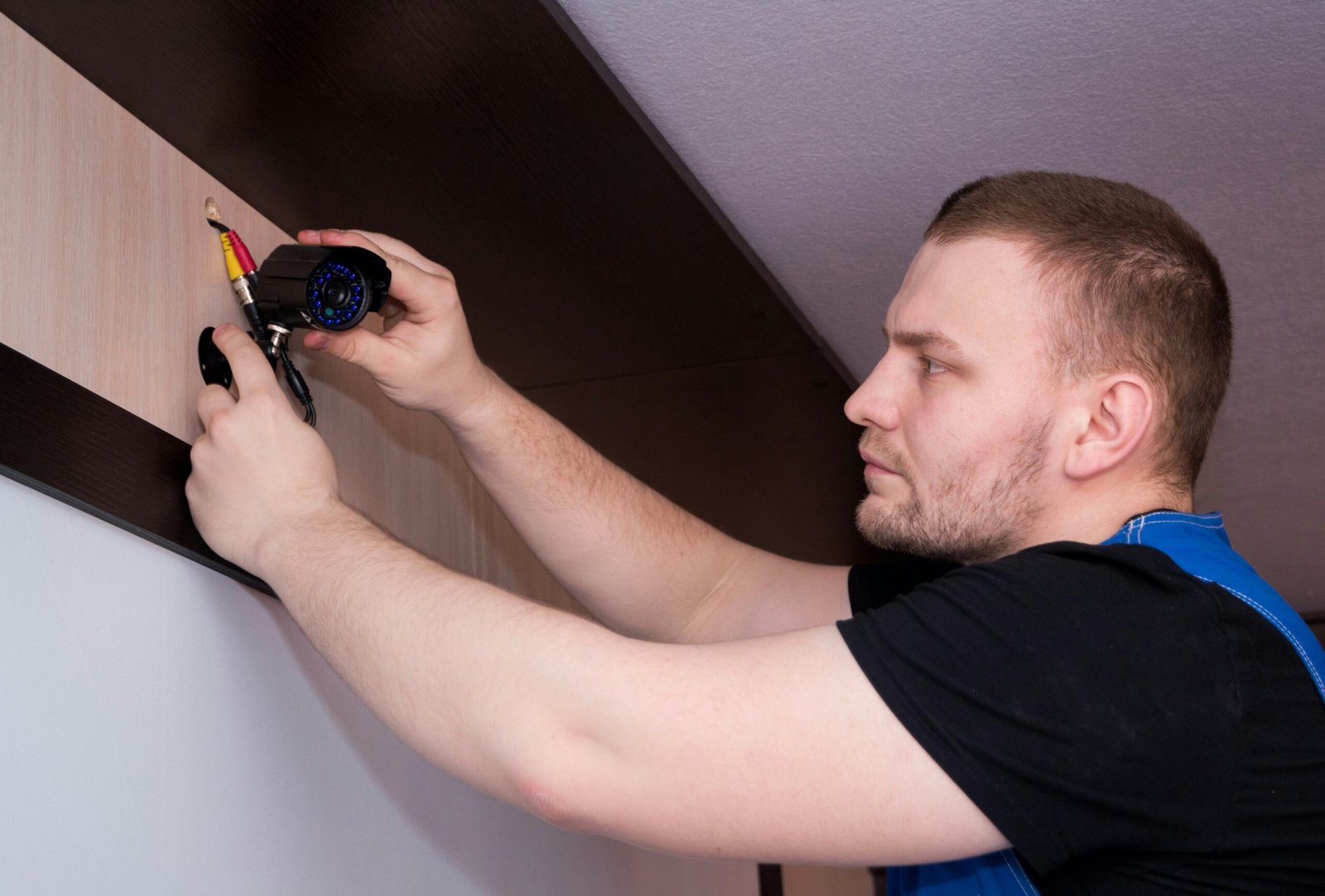
Repairing electrical outlets and switches is a critical task that ensures the safety and efficiency of your electrical system. Common issues that may necessitate repair include loose connections, malfunctioning switches, and worn-out outlets. Identifying these problems early can prevent more severe electrical hazards.
A loose connection might manifest as an intermittent power supply, flickering lights, or even a burning smell. These symptoms should be addressed at once to avert potential fire hazards. Malfunctioning switches could mean the internal mechanism has failed, often indicated by a switch that doesn’t fully engage or feels unusually warm. Worn-out outlets, often recognizable by discolored or cracked faceplates, may result from overuse or age and could damage connected devices.
Timely repairs are essential to maintain both safety and functionality. Diagnosing problems begins with turning off the power supply to the affected circuit at the breaker panel. Once power is confirmed to be off, the outlet or switch cover can be removed to inspect the internal components. Often, simply tightening loose connections or securing wires can remedy the issue. However, if parts appear damaged or worn, they must be replaced.
After diagnosing and confirming the problem, the next step involves disconnecting power further by removing the outlet or switch from the electrical box. During this process, ensure you are using appropriate tools such as a voltage tester, insulated screwdrivers, and wire strippers. Carefully inspect the wiring for any signs of wear or damage. If necessary, cut and strip the wires to create a fresh connection point.
When replacing the faulty outlet or switch, it is paramount to use components that are compatible with the existing electrical system and adhere to local electrical codes and regulations. A secure connection should be made, ensuring wires are tightly fastened to the terminal screws, and any ground wires are properly attached to the grounding screw. Finally, reattach the outlet or switch to the electrical box, replace the cover plate, and restore power to test the repair.
Using the correct tools and quality components not only ensures a successful repair but also enhances the longevity and safety of the electrical system. Adhering to local electrical codes and regulations ensures compliance with safety standards, potentially preventing costly and dangerous issues down the line.
Ground wire installation is a fundamental component in ensuring the safety and reliability of electrical systems. The primary purpose of ground wire installation is to provide a safe path for excess electrical current, significantly reducing the risk of electrical shocks and fires. Proper grounding of electrical systems is vital for homeowner safety and the long-term functionality of the electrical infrastructure.
When installing ground wires, it is crucial to select appropriate materials. Typically, copper is the preferred material due to its excellent conductivity and durability. Ensure that the ground wire gauge is compatible with the electrical system’s load requirements, which can be determined through thorough consultation of electrical codes and standards.
Understanding the wiring configuration is the next essential step. In a standard setup, the ground wire connects from the electrical panel to a grounding rod or other grounding systems like a metal water pipe. The grounding rod, usually made of copper or galvanized steel, is driven into the earth to establish a direct connection with the ground, effectively diverting any stray currents. It’s essential to confirm that the connection between the ground wire and the grounding rod is secure and corrosion-resistant.
During installation, one must avoid several common mistakes, such as using an undersized ground wire or improperly securing the wire to the grounding rod. Failing to adhere strictly to electrical codes can lead to severe safety hazards. It’s also critical to ensure that grounding connections are not loose, as these can cause poor grounding and reduce the system’s effectiveness.
Finally, professional inspection is a non-negotiable part of the process. Engaging a licensed electrician ensures that all aspects of the ground wire installation are compliant with local and national electrical codes. An expert assessment can identify potential faults or improvements, bolstering the overall safety of the electrical system. By adhering to these guidelines and involving professional inspectors, homeowners can maintain a safe and efficient electrical environment.
When considering light fixture installation indoors, the choice of lighting can significantly impact the ambience and functionality of a space. Popular types of indoor light fixtures include chandeliers, recessed lights, and pendant lights. Each type requires specific steps for installation to ensure safety and optimal performance.
For chandeliers, begin by preparing the existing electrical box. Ensure that the box can support the weight of the chandelier. Disconnect power to the fixture’s location from the circuit breaker and remove the old fixture. Next, mount the chandelier by affixing its bracket to the electrical box using screws. Carefully connect the chandelier’s wiring, matching the live, neutral, and ground wires with those in the ceiling. Secure the wires with wire nuts and safely tuck them into the electrical box before attaching the chandelier to the bracket.
Recessed lights, often known as can lights, also start with ensuring power is off. Measure and mark the location for each light. Using a hole saw, cut openings in the ceiling and run the electrical wiring to each hole. Install the light housing by securing it to the ceiling joists or framing. Once the housing is in place, connect the wires accurately, as per the manufacturer’s guidelines, and insert the trim and bulb to complete the installation.
Pendant lights require installing the canopy to the pre-prepared electrical box. Follow similar steps as with chandeliers for wiring and securing the fixture. Adjust the height of the pendant as needed before completing the installation.
Outdoor lighting requires additional considerations, particularly for weatherproofing and safety. Types of outdoor lighting include landscape lighting, security lights, and pathway lights. Weather-resistant fixtures are crucial, and placement should be carefully planned to avoid exposure to harsh elements.
Before installation, sketch a layout of your outdoor lighting plan, ensuring measured spaces accurately reflect the lighting’s intended function. For landscape lighting, use low-voltage lighting systems, which are safer and easier to install. Ensure all connections are waterproof, using outdoor-rated wire nuts and connectors. Security and pathway lights should be strategically placed to enhance safety and visibility. Use motion sensors for security lights to optimize energy efficiency.
In all lighting projects, consider both aesthetic appeal and functionality, harmonizing the indoor and outdoor environments while prioritizing electrical safety. Proper planning, accurate measurement, and choosing appropriate fixtures will result in a well-lit, secure, and visually appealing space.
Replacing an electrical panel is a substantial undertaking that necessitates meticulous planning and specialized knowledge. One primary reason for replacing an electrical panel is its age; older panels can become outdated and may not meet current safety standards. Additionally, capacity issues often arise as modern households consume more power, exceeding the capabilities of old panels. Safety concerns, such as frequent circuit breaker trips, flickering lights, or the presence of outdated equipment, also necessitate panel replacement.
The process of replacing an electrical panel involves several critical steps. First, obtaining the necessary permits is essential to ensure that the work complies with local regulations and standards. Next, the power supply to the panel must be completely shut off to ensure safety. After safely disconnecting the electricity, the old panel can be removed. The installation of the new panel follows, where all the circuits must be meticulously reconnected to avoid any disruptions in electrical service. Finally, the panel undergoes rigorous testing to confirm that everything is in proper working order.
Relocating electrical outlets and switches is another vital aspect of electrical installations, often driven by home renovations or the need for improved accessibility. For example, kitchen remodels or the integration of smart home systems may demand a new layout for outlets and switches. Planning new locations involves considering practicality, code requirements, and the specific needs of the inhabitants. The extension or rerouting of wiring must be done with utmost precision to maintain safety and functionality. Once the wiring is suitably arranged, outlets and switches need to be securely mounted in their new positions.
Both the replacement of electrical panels and the relocation of outlets and switches require professional expertise to ensure safety, compliance, and optimal functionality. Employing a licensed electrician for these tasks guarantees that all work performed adheres to regulatory standards and mitigates the risk of electrical hazards.
SMART ENERGY
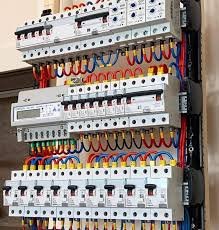
When it comes to electrical devices installation service, ensuring accuracy, safety, and efficiency is paramount. Our team of professional electricians is dedicated to delivering top-tier service that adheres to industry standards. Whether you need home automation systems, lighting installations, or advanced security systems, we have the expertise to meet your requirements.
Our electrical installation services stand out due to our commitment to excellence and customer satisfaction. We utilize cutting-edge tools and follow meticulous procedures to guarantee the proper functioning and longevity of your electrical devices. By choosing us, you are opting for a seamless installation process backed by skilled technicians who prioritize safety and reliability.
Our comprehensive approach to electrical devices installation begins with a thorough assessment of your needs. We conduct a detailed site evaluation to identify the optimal solutions tailored to your specific situation. Post-assessment, our trained professionals proceed with the installation, ensuring each device is correctly configured and integrated into your system. We conclude with rigorous testing and a final review, ensuring everything operates flawlessly.
If you seek reliable and efficient electrical devices installation service, look no further. Contact us today to schedule a consultation and experience the highest standard of installation service. Let us enhance the functionality and safety of your electrical systems with our expert solutions.
Recent Comments